
insulated glass panels for sale
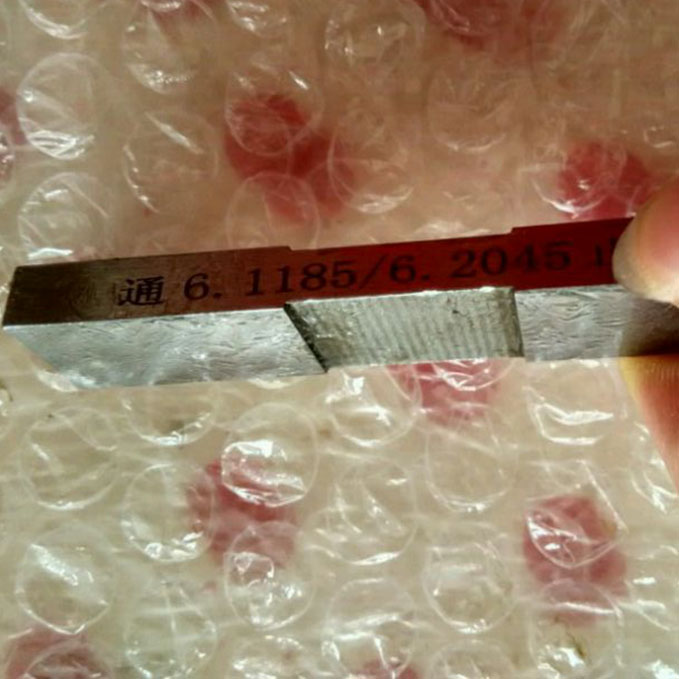
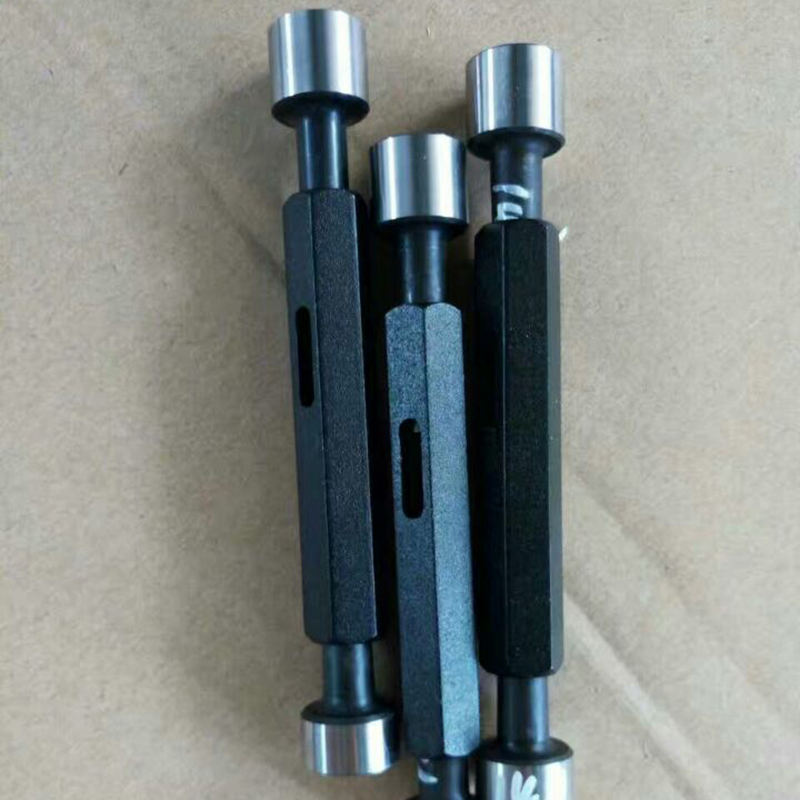
The thread plug gauge is an indispensable tool in any manufacturing or machining environment where threaded components are produced. Used primarily for inspecting internal threads, it ensures the quality and functionality of these threads. Its design allows for precision measurement of internal threads, ensuring they are within tolerance limits and meet the desired specifications. A thread plug gauge typically features a plug-like design with a threaded portion that matches the threads of the component it is measuring. To use it, the gauge is inserted into the internal threads of a part. If the plug fits correctly, the threads of the part are considered within the required specifications. If the plug does not fit, the part may be out of tolerance and need rework or adjustments. This critical quality control step helps reduce defects and ensures a higher standard of precision. The thread plug gauge is used extensively in industries such as automotive, aerospace, and manufacturing. These industries rely on the precision of threaded components for everything from engine parts to structural components. Ensuring the proper fit of internal threads is crucial for the safe and efficient operation of the final products. By employing thread plug gauges , manufacturers can avoid costly rework and prevent defects that could affect product performance or safety. Moreover, the thread plug gauge helps standardize the quality of parts. It provides a simple, effective method of checking internal threads, reducing human error in the measurement process. Regular use of thread plug gauges results in higher consistency, better quality control, and improved customer satisfaction. The Role of the Internal Thread Gauge in Thread Measurement The internal thread gauge plays a crucial role in thread measurement, just like the thread plug gauge . The internal thread gauge is specifically designed to check the dimensions and integrity of internal threads in components. These gauges help manufacturers ensure that internal threads are precisely formed and fall within acceptable tolerance ranges. Like the thread plug gauge , the internal thread gauge can be inserted into the threaded portion of a component to verify its accuracy. The gauge is often calibrated to match a particular type of internal thread, ensuring that the thread diameter, pitch, and form all conform to the specified standards. When a part passes the inspection with an internal thread gauge , manufacturers can be confident that the component will work as intended with the corresponding external threads. Having an internal thread gauge in the workshop allows manufacturers to quickly inspect and confirm the quality of threaded components. Without this tool, manufacturers might be more likely to miss defects that could later affect the function or durability of the finished product. Whether dealing with large industrial parts or precision machinery components, the internal thread gauge is an essential tool for maintaining quality and accuracy. For industries such as automotive, aerospace, and industrial machinery, using an internal thread gauge ensures that components meet exacting standards. These industries depend on high-quality threaded connections for safety, reliability, and efficiency. By ensuring the proper dimensions of internal threads, manufacturers can reduce failure rates and improve the overall performance of their products. The Thread Plug Gauge Price List: A Guide to Finding Quality at the Right Price When it comes to purchasing a thread plug gauge , one of the most important considerations is the thread plug gauge price list . The price of these gauges can vary depending on factors such as material, precision, size, and manufacturer. It's essential to carefully review the thread plug gauge price list to ensure you're getting the best value for your investment. The thread plug gauge price list will often feature a range of options, from basic models for general use to highly precise gauges for specialized applications. For manufacturers that require exceptional precision, such as in the aerospace or automotive industries, high-end gauges may be necessary. These gauges are made from durable materials like carbide or hardened steel, which can withstand the wear and tear of repeated use. However, even when considering higher-end models, manufacturers should ensure that the price aligns with the expected benefits. A thread plug gauge price list can be a useful resource for comparing various options, from budget-friendly models to premium products. It’s important to consider the long-term costs and benefits of each gauge, factoring in its durability, accuracy, and the types of projects for which it will be used. When selecting a thread plug gauge , manufacturers should also factor in the cost of calibration and maintenance, which can add to the total cost of ownership. Understanding the full scope of expenses ensures that companies can budget effectively while still maintaining high standards of quality. How the Thread Ring Gauge is Used for Checking External Thread Quality While the thread plug gauge is used for checking internal threads, the thread ring gauge is used for checking external threads. These gauges are an essential part of the thread measurement process, allowing manufacturers to verify the dimensions and form of external threads to ensure they fit correctly with corresponding internal threads. The thread ring gauge is designed to fit over the external threads of a component. When using the gauge, it should slip over the external threads easily if they are within tolerance. If the threads are too large or too small, the gauge will not fit, indicating that the component does not meet the required standards. The thread ring gauge helps manufacturers assess the pitch, diameter, and overall quality of external threads. Using the thread ring gauge in conjunction with the thread plug gauge ensures that both internal and external threads are within tolerance. This comprehensive checking process helps to reduce defects, prevent misalignment, and improve the overall performance of threaded components. In industries where precision is essential, such as in automotive, aerospace, and manufacturing, the thread ring gauge is a vital tool for quality assurance. Moreover, the thread ring gauge is simple to use, which makes it an ideal tool for quick inspections during the production process. It helps maintain quality standards without slowing down the manufacturing workflow. Whether for large-scale industrial production or small-batch manufacturing, the thread ring gauge ensures that every component meets the necessary specifications for safe and efficient operation. Achieving Quality and Precision with Thread Gauges When it comes to ensuring the quality and precision of threaded components, using the right tools is crucial. The combination of the thread plug gauge , internal thread gauge , and thread ring gauge ensures that both internal and external threads meet the required specifications, preventing defects and improving product reliability. Thread gauges are essential for industries where threaded components play a critical role in the function and safety of the final product. By using these gauges, manufacturers can ensure that components fit together properly, reducing the risk of malfunctions or failures during operation. Whether working with large industrial machinery or precision instruments, thread gauges help manufacturers maintain high standards of quality and performance. Furthermore, understanding the thread plug gauge price list allows manufacturers to find the right balance between cost and quality. With a variety of price points and options available, manufacturers can select the best gauges for their needs while staying within budget. By investing in quality thread gauges, manufacturers can reduce the risk of costly defects and rework, improving efficiency and product quality in the long run. In conclusion, the use of thread plug gauges , internal thread gauges , and thread ring gauges is essential for achieving high-quality threaded components. These tools help manufacturers ensure that their products meet the highest standards of precision, ensuring their functionality and reliability in a wide range of applications. Whether you're working in automotive, aerospace, or manufacturing, incorporating thread gauges into your production process is a smart choice for improving quality and maintaining consistency across products.
about
insulated glass panels for sale
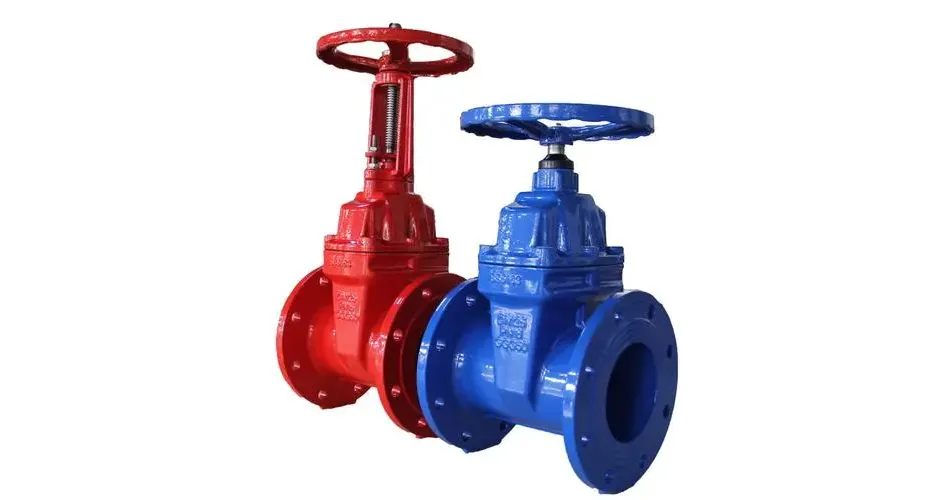
How to Turn Off a Water Valve A Step-by-Step Guide Turning off a water valve is an essential skill for homeowners and renters alike. Whether you’re dealing with a plumbing emergency, making repairs, or winterizing your home, knowing how to properly shut off your water supply can save you time, money, and prevent potential water damage. Here’s a step-by-step guide to help you through the process. Understanding the Types of Water Valves Before you begin, it’s important to familiarize yourself with the different types of water valves you might encounter in your home . The two most common types are 1. Gate Valve This valve typically has a round handle that you turn clockwise to close and counterclockwise to open. These valves can take a few turns to fully shut off the water. 2. Ball Valve This valve usually has a lever handle that you can turn a quarter turn (90 degrees) to shut off or turn on the water. They are generally quicker to operate than gate valves. 3. Angle Valve Commonly found under sinks, angle valves have a handle that you can turn to stop the water flow to specific fixtures. Step-by-Step Instructions 1. Locate the Water Valve The primary water shut-off valve for your home is usually located near the foundation where the water line enters. Additionally, individual fixtures (sinks, toilets, washing machines) will have their own shut-off valves. Ensure you know both the main valve location and the individual ones. how to turn off water valve 2. Turn off the Main Valve If you are dealing with a significant plumbing issue, it’s best to start by shutting off the main water supply. To do this, locate the main shut-off valve and turn it clockwise until it stops. You may need to use some force if the valve hasn’t been turned in a while. 3. Drain the Lines After turning off the main valve, it’s a good idea to let any remaining water in the pipes drain out. Open faucets in your home, starting from the top floor and working your way down. This helps to release pressure and ensures that your pipes are empty. 4. Test the Water Open a faucet that’s farthest from the valve you turned off to ensure that the water supply has been successfully cut off. No water should flow out if the valve has been effectively closed. 5. Address the Issue Whether you’re fixing a leak, replacing a sink, or any other task that requires the water to be off, now is the time to proceed with your work. Ensure you have the necessary tools and materials ready to complete the job. 6. Turn Water Back On Once your work is complete, it’s time to restore the water supply. Begin by slowly turning the main valve counterclockwise. After the water has been restored, check each individual fixture to make sure everything is working correctly and there are no leaks. 7. Final Check Make sure all your faucets are closed and listen for any unusual sounds from your pipes. If you hear any dripping or hissing sounds, it might indicate that a valve isn’t fully closed, and you'll need to investigate further. Conclusion Turning off your water valve might seem daunting at first, but by following these steps, you can manage your home’s plumbing needs more effectively. Regularly checking your valves and knowing how they work can prevent small issues from escalating into larger problems. Remember to maintain your plumbing system and address any potential issues promptly. By being proactive, you can ensure a safe and efficient home environment.
-

High quality industrial productsagement

High quality industrial products
View Details -

Meet the diverse needs of customers

Meet the diverse needs of customers
View Details -

Strict quality control

Strict quality control
View Details -

Top raw materials

Top raw materials
View Details -

Trusted supplier

Trusted supplier
View Details
Our application

news and information
wood frame truss nail plate
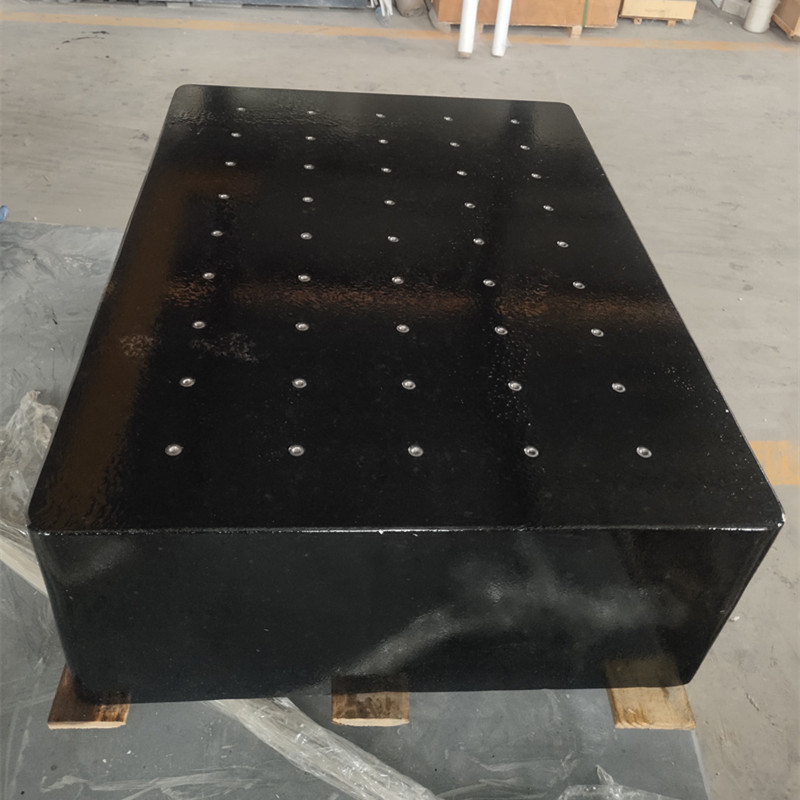
Understanding Wood Frame Truss Nail Plates A Structural Perspective In the realm of modern construct
Válvula de retenção de 6% para aplicações industriais e automotivas eficazes.
Válvulas de Retenção de 6% Importância e Aplicações As válvulas de retenção, também conhecidas como
Wasserventil abgeschaltet
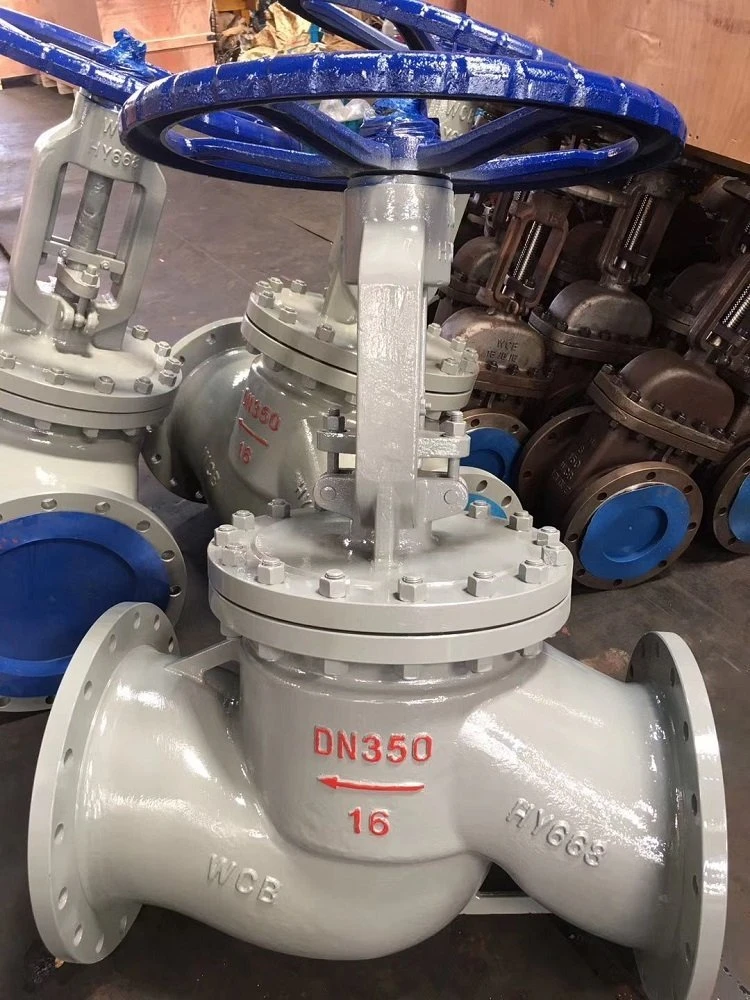
Wasserabsperrventil Notwendigkeit und Anwendung In der modernen Haustechnik spielt das Wasserabsperr
 English